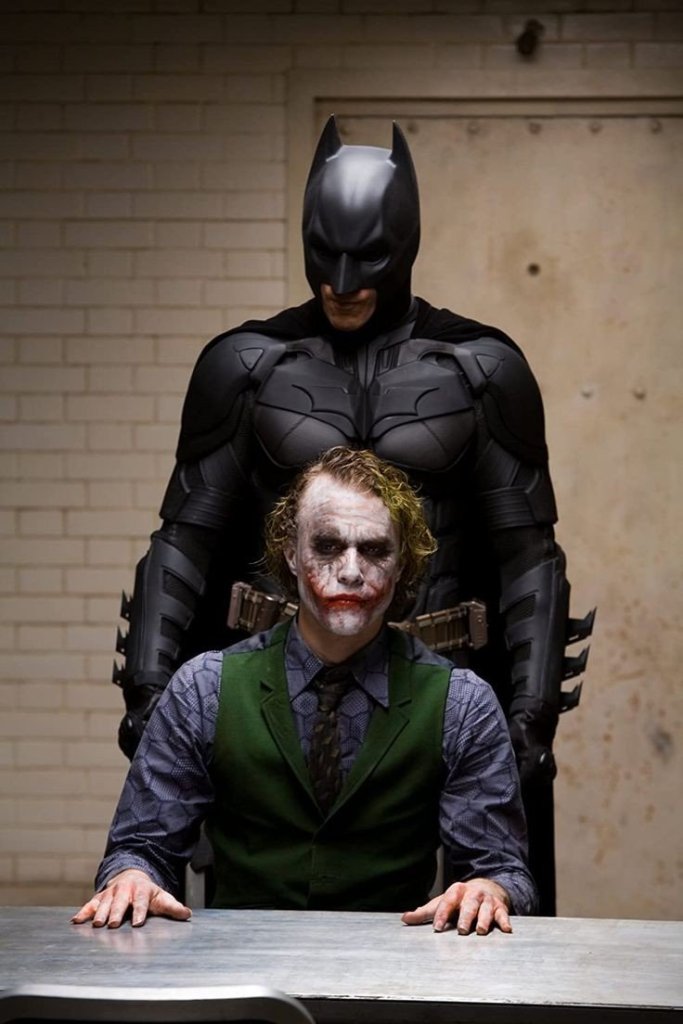
What type of villain do you like the most? Is it the misunderstood type? The genius? The powerhouse? The agent of chaos? The charmer? I have to say, I love the genius powerhouse combo. That kind of villain just has it all under control and seems like they will succeed. Some of my favorite fictional villains have been Maleficent from “Sleeping Beauty” and the Joker from “The Dark Knight” film in 2008. I think movies give villains a bit more life than books do. However, books breathe so much more life into the hero. They bring you into their world and mindset. The villain is the background character who we love to hate and is the contrast to the hero. The darkness that makes the light shine brighter.
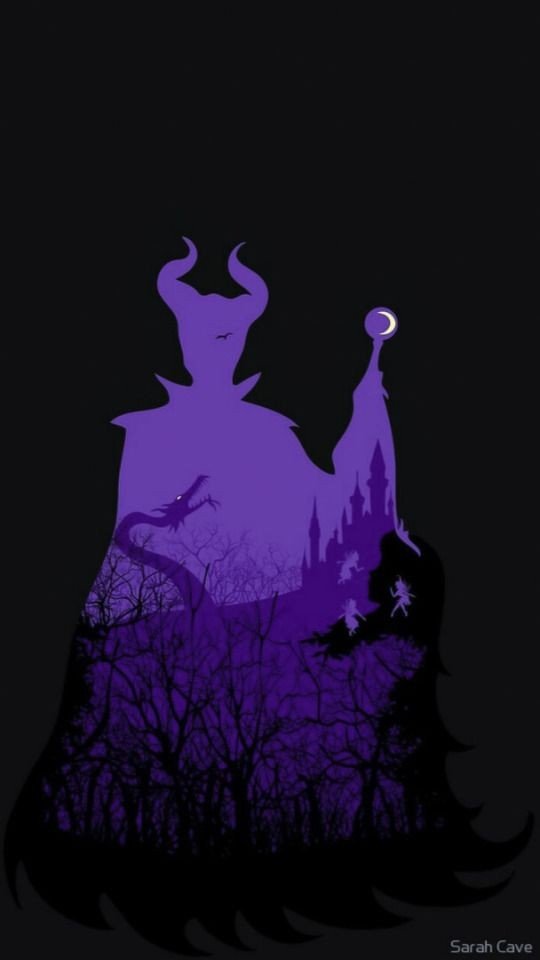
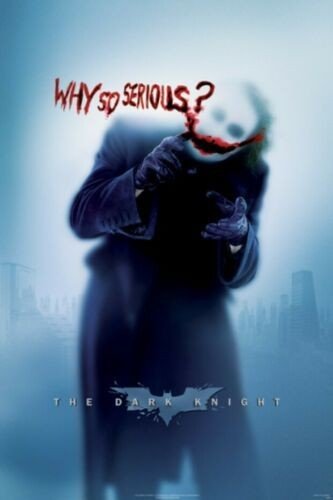
With all of this said, what makes a good villain in a novel or movie? What makes you feel something when they enter the page?
I think first and foremost the villain must have motivation. Without motivation what is even the point of the antagonist being present? Some examples of a motivator could be vengeance, hatred, power, or jealousy. We need that or else the character feels somewhat flat or stale. This motivation ties into the character’s backstory.
It sounds obvious, but we need to hear a solid backstory if we are given one. We see that with antagonist turned hero Ebenezer Scrooge of A Christmas Carol. As we are taken through his life, we understand why he became who he was and how he needed love to soften his heart.
Some stories don’t give a backstory which can add to a mystique for the villain. The unknown is sometimes even better than the known. This is especially evident in horror books when there is a monster. Not knowing where a creature comes from keeps the fear alive all throughout the novel.
Another attribute that’s required is flaws or weakness. This makes me feel something for the villain and gives them some humanity. For instance, President Snow of the Hunger Games is sick and dying. We are constantly told that when he coughs there is blood on the napkin. This reminds us of his mortality and that despite his villainy, Snow is still a person. Without this chink in the armor, the hero can’t win in a reasonable way.
The final element to add to a good bad guy is their relationship with the protagonist. Sometimes, this isn’t revealed for a while and we aren’t entirely sure why the antagonist is going against the hero. Frankenstein by Mary Shelly shows the relationship between the protagonist and the antagonist as creator and creation. Frankenstein dreamed of creating a masterpiece, a life, but instead designed a monster. He deals with not wanting to destroy the Monster but wanting to salvage his reputation and become a genius.
There are so many things that add to a good villain but what’s hard is not all apply universally. I think these four relate to the majority of villains in books and movies. And the more I ponder them, I think these relate well to heroes too! They also need a motivator but it’s usually love, justice, or freedom. In Lord of The Rings, Frodo Baggins must carry the ring to Mordor and throw it in the fire to free not only himself but all of Middle Earth, from the ring.
Heroes also need a good life story that makes us feel for them and care. It breathes life into them. They need flaws to make them feel life-like, as well. We all have blind spots. So, when we see that in people we are supposed to admire, it makes it feel more like we could BE that character. Finally, the relationship with their antagonist matters. Whether it’s more professional or deeply personal, that tie between both characters creates the dynamic needed for an epic plotline.

 Trust & Obey
Leave a comment