
Imagine you are asked to preach at a hospital filled with sick or dying people. You agree, prepare your sermon, and as you enter the hospital’s main room you see all of these people in rows of beds. The scents of stale illness and crisp antiseptic battle it out in the air. White walls and florescent lights burns your eyes as you stare at these suffering men and women. You get to where you are supposed to stand and take a deep breath before beginning. What do you say to them? Is there anyway to make them feel better?
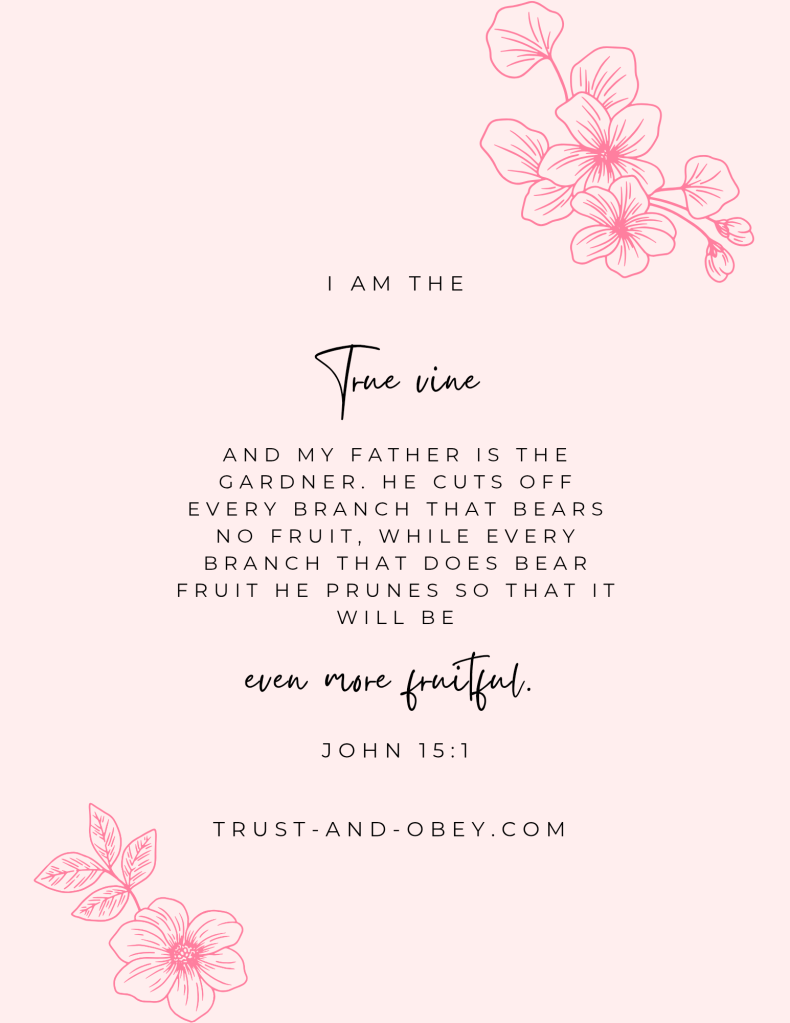
“Measure thy life by loss instead of gain; Not by the wine drunk but by the wine poured fourth; For love’s strength standeth in love’s sacrifice, and whoso suffers most hath most to give” was said by Italian priest Ugo Bassi preaching at a nineteenth century hospital filled with suffering souls. He preaches on John 15 and about being a branch with the vine of Christ. Bassi shares that being a part of the vine is difficult and painful because a branch is cut down, pruned, and the fruit is taken. The life of a branch is beautiful because of its sacrifice, not because of what it gets to keep. So, Bassi points out to all of these people who were wasting away that their suffering is not pointless, but it is the cross they bear for Christ. He states that “here, and here alone, is given to thee to suffer for God’s sake. In other worlds shall we more perfectly serve Him and love Him, praise Him, work for Him, grow nearer and nearer Him with all delight; But then, we shall not any more be called, to suffer, which is our appointment here. Canst thou not suffer then one hour,– or two?”
Bassi so wisely directs everyone to the fact that we are all called to suffer now, but we will enjoy a life without suffering in “other worlds” (heaven). “Other worlds,” however, is later and this is now. We must be true to our current appointment. We have a cross to pick up and “if, impatient, thou let slip thy cross, thou wilt not find it in this world again”. So, we must take up the cross we are given and follow Christ, because He suffered, so we must suffer too.
Bassi’s words profoundly impacted me. I recently began to read Elisabeth Elliot’s collection of devotionals Keep a Quiet Heart and that is where I stumbled upon this story and Bassi’s revelatory view of suffering. The phrase “whoso suffers most hath most to give” has been in my mind for a few weeks now and brings a new perspective to hardship. Our society has primed us to desire ease and convienence through movies, social media, and books. If we are unhappy, then something is wrong and we need to fix it, ASAP. If we are sick and we are not getting better, then we need to pray even more for healing. We want answers to an easy breezy life and that is not biblical.
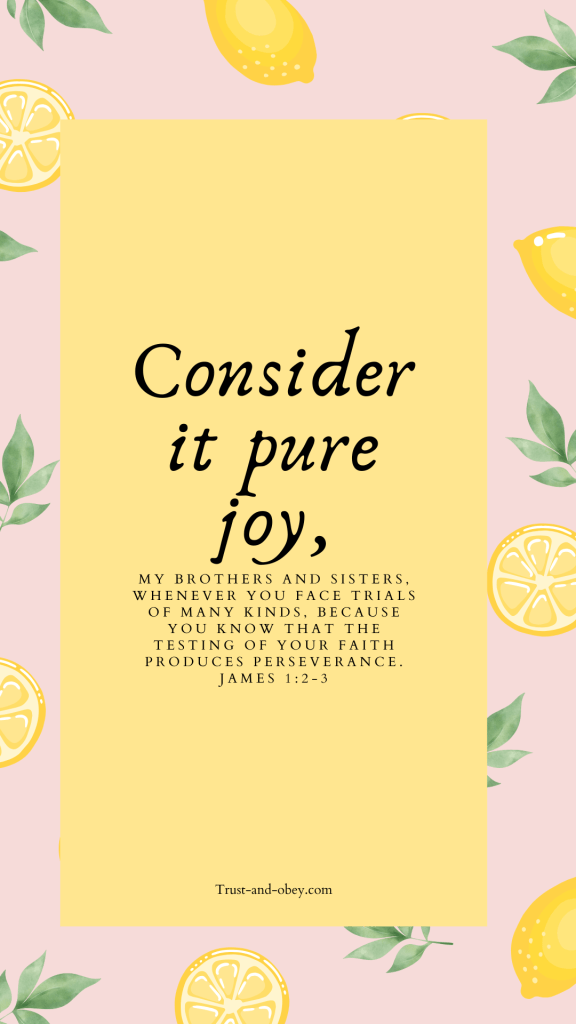
Over and over again in scripture, we are told that we will suffer and struggle for Christ’s sake and that we are to “count it all joy” (James 1:2). Paul talks about how he “delights in weakness, in insults, in hardships, in persecutions, in difficulties. For when I am weak, then I am made strong” (2 Corinthians 12:10 NIV). He shares that he is made strong because of Christ within him (v.9).
Peter talks about how some believers are able to constantly rejoice because of the inheritance they have in Christ despite their suffering and grief (2 Peter 1:6). We are told constantly that suffering is a part of the Christian life in the Bible, but somehow it doesn’t stick. Bonhoeffer says it well in The Cost of Discipleship: “We would like to think that we had the same call to a Christian life, as a specially called follower of Christ who yet retained the enjoyment of his worldly possessions” (chapter 5). We somehow think that we will be the specially called follower who gets to chill without sacrificing more than a football game for church on Sunday morning. That’s just not the reality of our faith
I can feel a bit bummed out by the idea that we suffer and that’s just how it is, but when I remember that to measure my life by loss, not by gain, it makes trials far less awful. Without trials, I don’t have anything to give to Christ. If I have poured nothing out, then I have lost it all because Christ says that “whoever would save his life will lose it, but whoever loses his life for my sake will find it” (Matthew 16:25, ESV). So, I need to bear my cross because it is my appointment.

So, what about you? Are you ready to buckle down and suffer well? Are you ready to lose your life so you can find it? If so, I want to encourage you to let God overfill your cup so that it may be poured out in service to Him.

 Trust & Obey
Leave a comment